Reading Agadir’s history through images
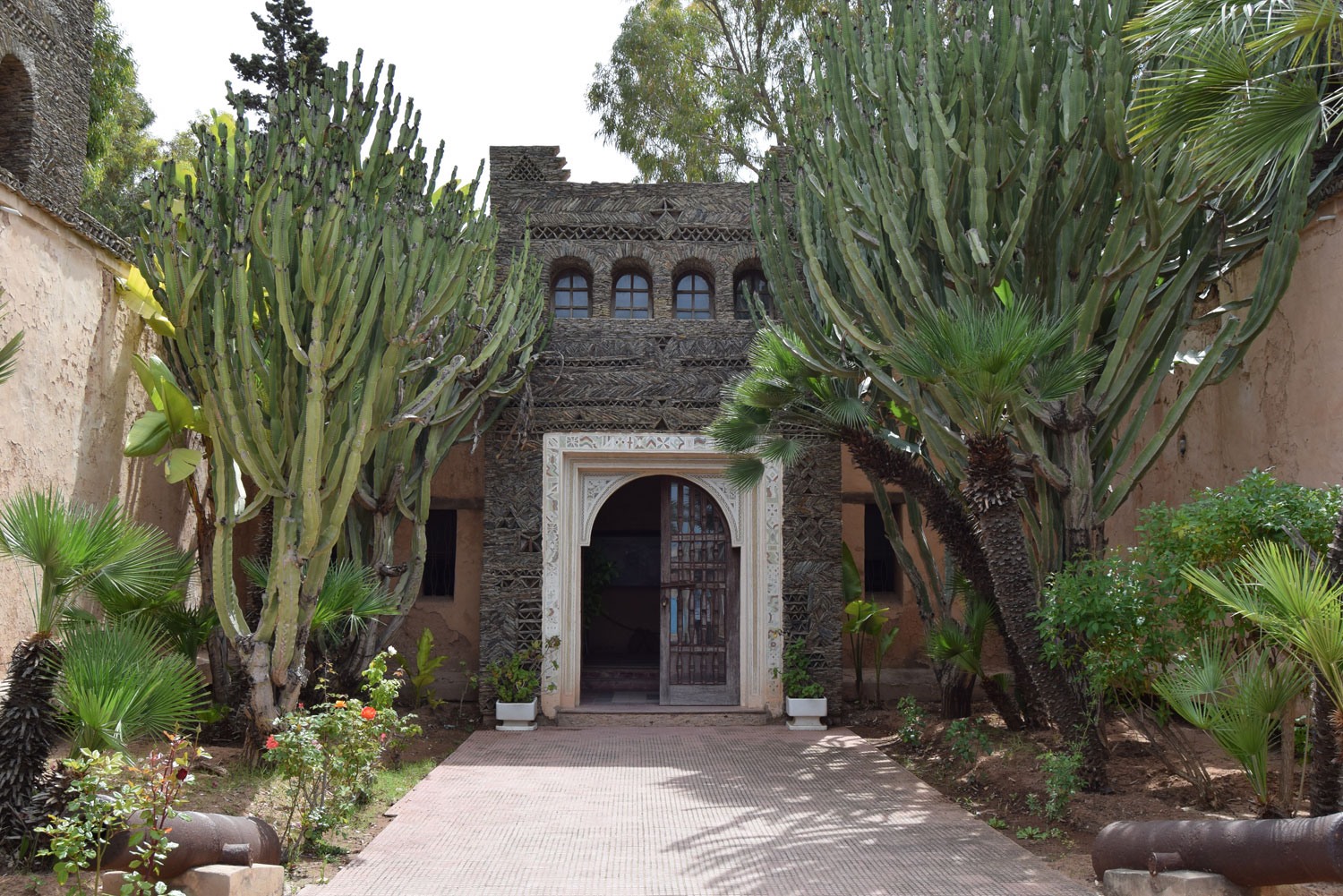
The Memories of Agadir Museum, located in Olhao Garden, explores the city that disappeared, the earthquake of 29 February 1960 and the reconstruction that shaped contemporary Agadir. Photographs, postcards, documents and archives allow visitors to visualise neighbourhoods, monuments and urban life before the disaster.
The museum has a crucial role in a city where much of the built heritage was destroyed. Where physical traces are limited, images and documents become instruments of memory and transmission. The display provides context for the Kasbah, the former medina, public buildings and the social transformations associated with reconstruction.
From catastrophe to the modern city
The 1960 earthquake represents a decisive historical rupture. The museum recalls its human impact while examining the urban and architectural choices made afterwards. Agadir was rebuilt according to modernist principles, with new neighbourhoods, public facilities and architectural forms. This history helps visitors read the cityscape they see today.
A visit can continue at the Agadir Oufella Kasbah, the principal landmark of the old city, and at the Agadir Museum of Art, where modern creation meets Amazigh heritage. The surrounding garden is itself a pleasant public space in central Agadir.
Planning a visit
Regional tourism resources generally list separate morning and afternoon opening periods and an affordable admission fee. These details may change, so confirm them before travelling. The museum is situated inside Olhao Garden and is readily accessible from central Agadir.
Browse the Agadir cultural guide, upcoming events and other museums and heritage places.