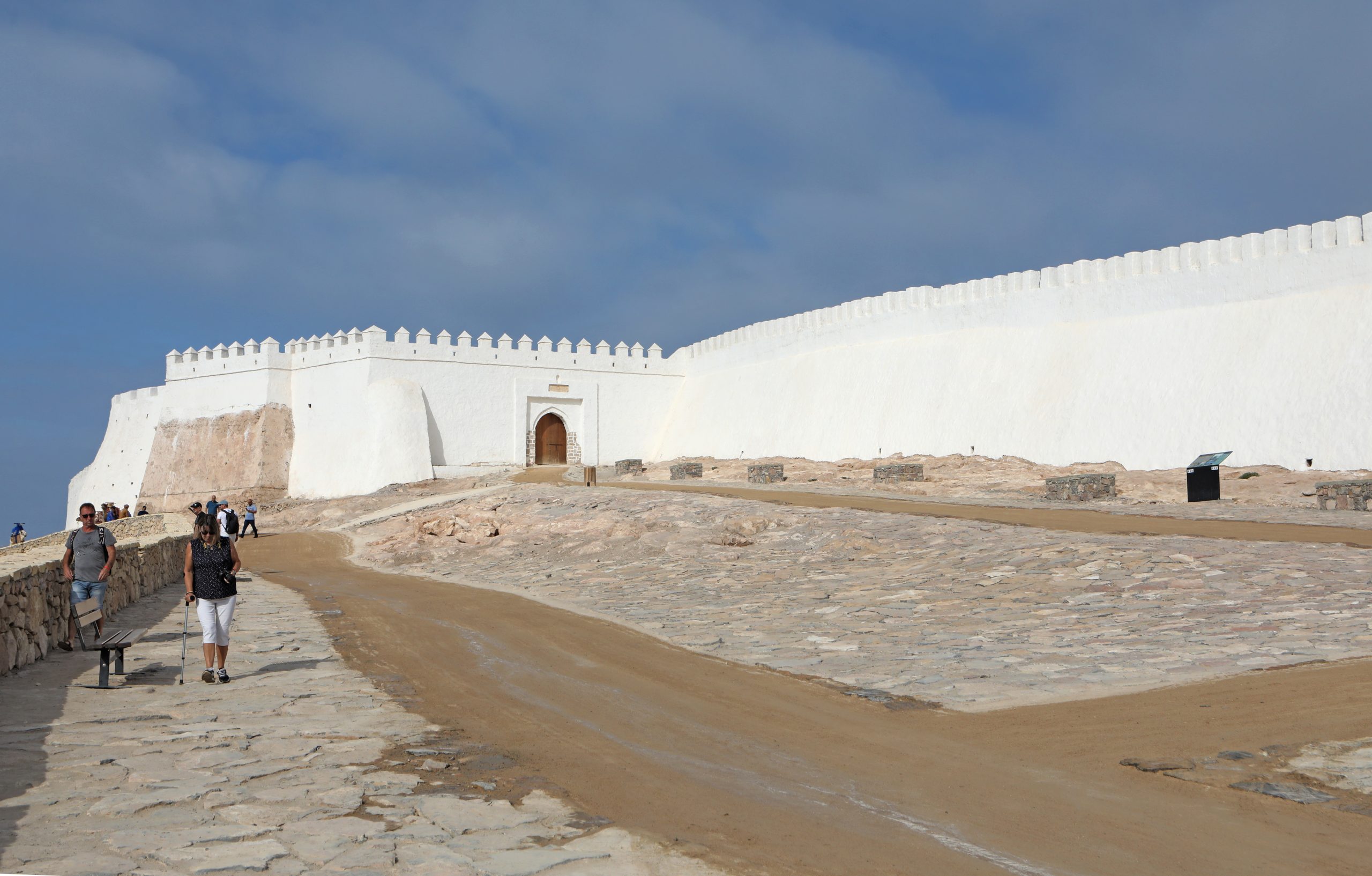
Agadir Oufella
The hilltop Kasbah is a key place for understanding the pre-1960 city and the rupture created by the earthquake, with wide views over modern Agadir.
Agadir cultural city guide
Agadir is much more than its bay. The city combines the memory of reconstruction, Amazigh culture, contemporary music, cinema, visual arts, artistic education and community initiatives. This guide brings together upcoming events and the places through which its contemporary cultural identity can be explored.
Use this living guide to discover what is happening in Agadir, understand the city through Amazigh culture and reconstruction memory, and explore cultural places beyond the seafront.
Popular searches
Jump directly to the city’s cultural calendar, this week, the weekend, free events and the main cultural categories.
Live cultural calendar
A rolling seven-day selection from Culturama’s published English calendar.

6 Aug · Espace Expo Zéphyr Agadir
Twelve artists from Souss-Massa come together at Zéphyr Agadir’s exhibition space through October 31, 2026. 21 Oct · Théâtre de Verdure de l’Institut français d’Agadir
OUM presents Dialddar in Agadir on 21 October at 7 pm, an intimate and powerful live set built around voices,… 22 Oct · Cinéma Sahara, Talborjt, Agadir
Screening on 22 October at 7 pm at Cinéma Sahara: Christophe Dimitri Réveille’s documentary retraces the escape of…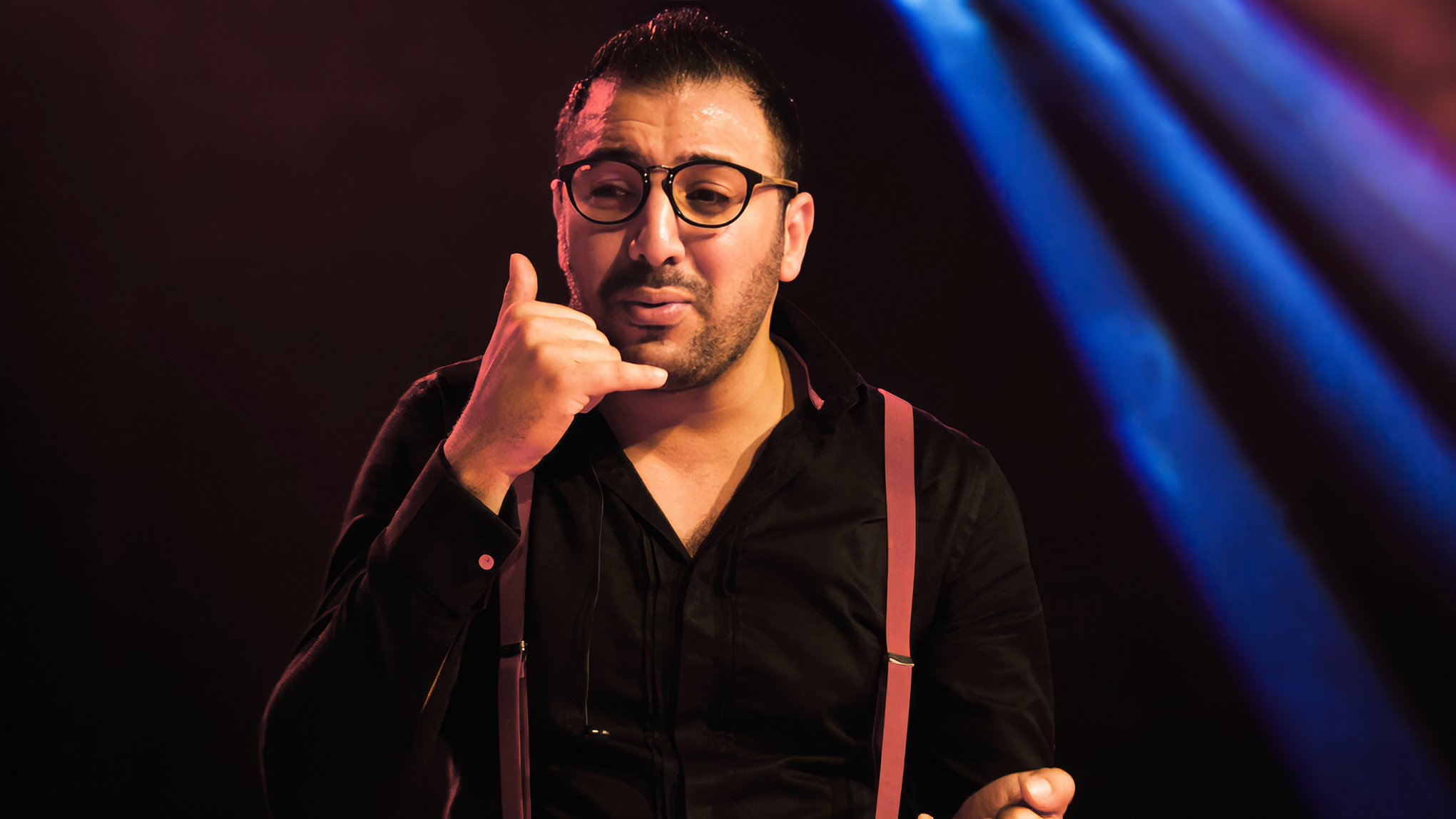
24 Oct · Théâtre de Verdure d’Agadir
EKO combines sketches, theatre and live orchestral music with a cast of more than forty musicians.Where to go
Heritage & context
Use heritage as part of the cultural itinerary rather than as a separate checklist.
The hilltop Kasbah is a key place for understanding the pre-1960 city and the rupture created by the earthquake, with wide views over modern Agadir.
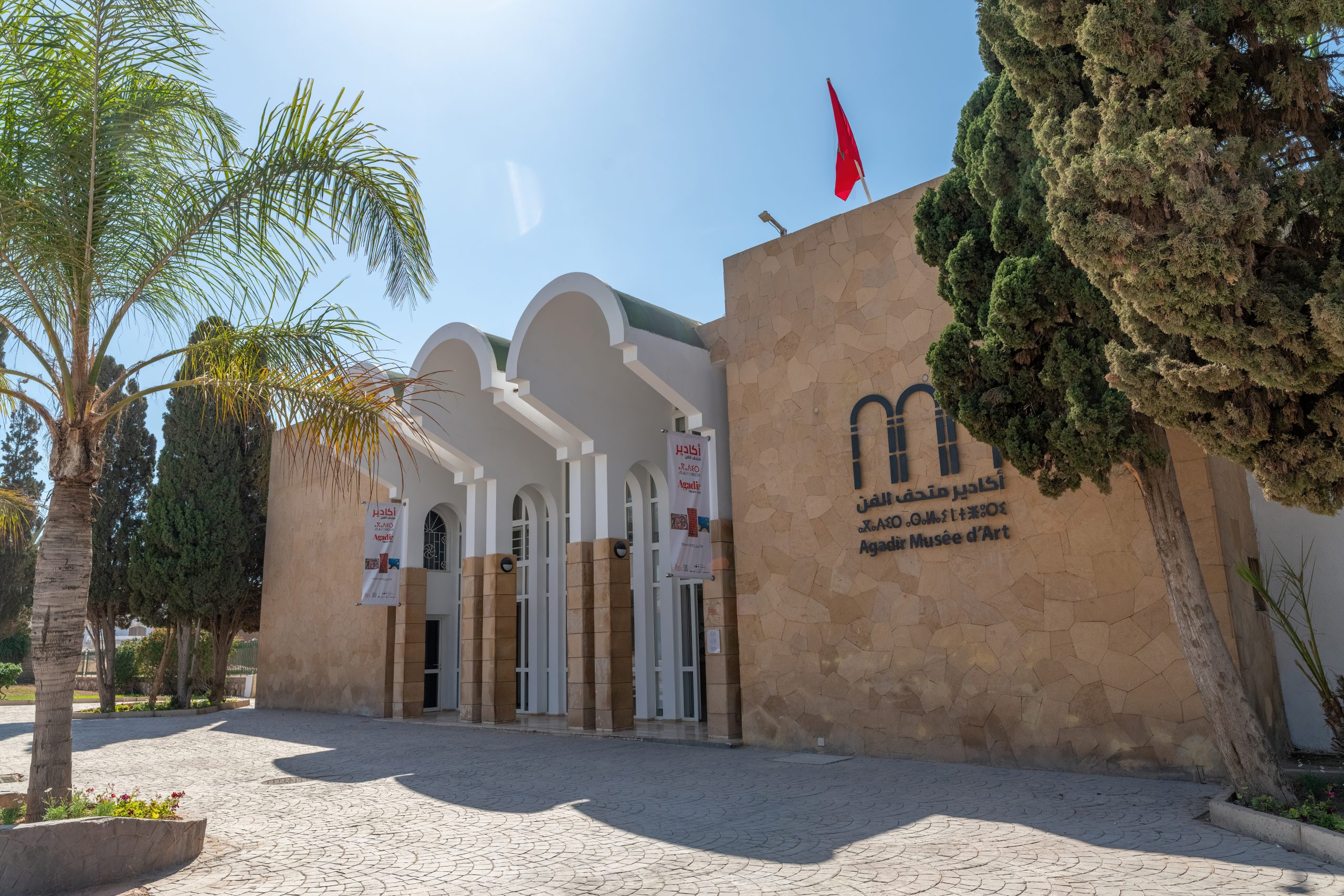
Museums and memorial spaces in central Agadir help explain the destroyed city, reconstruction and the modern urban identity that followed.
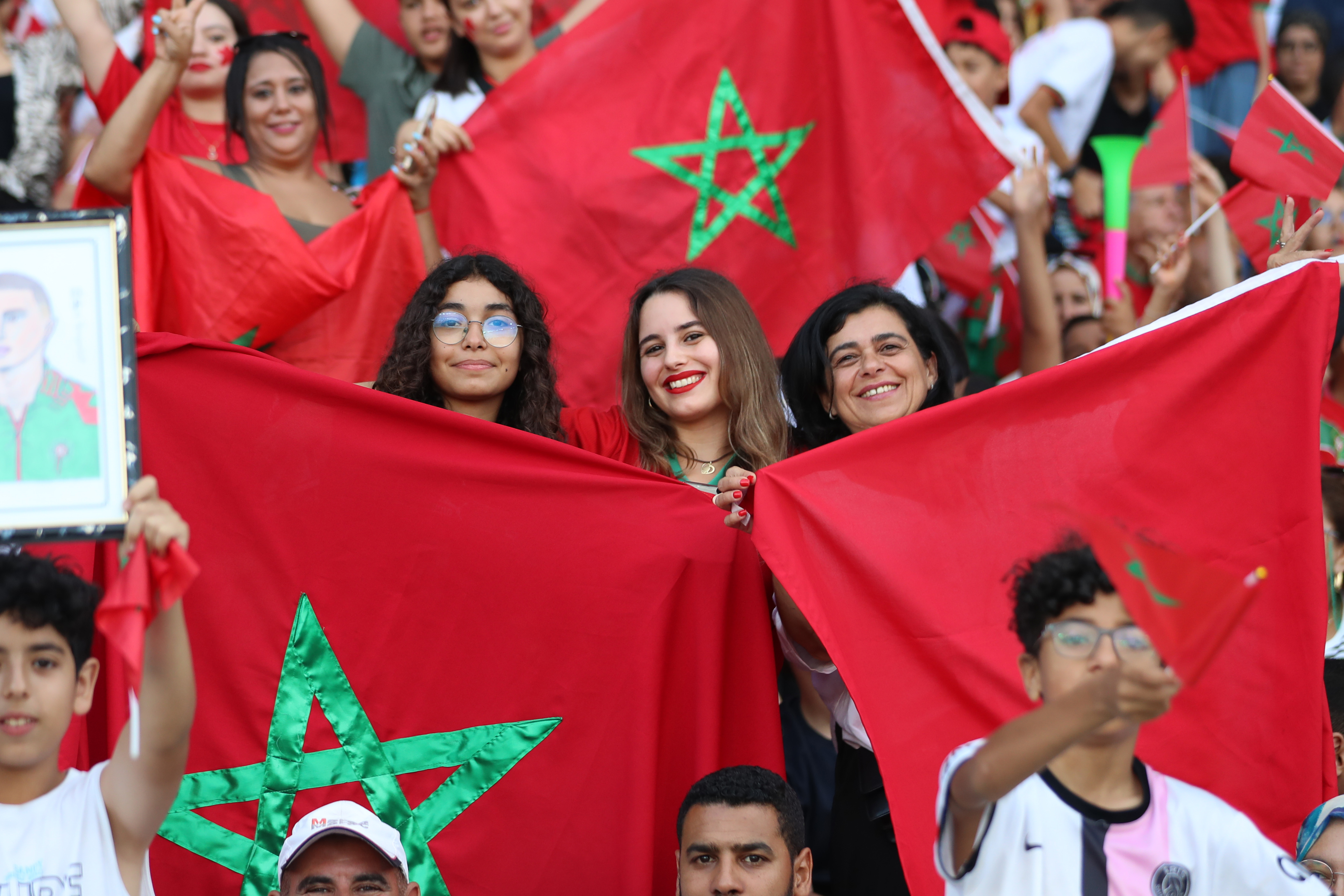
Agadir is an important urban centre of Amazigh culture, expressed through collections, music, festivals, artistic training and community initiatives.
Explore by area
A central neighbourhood with cafés, Cinema Sahara and easy access to several cultural and memory sites.
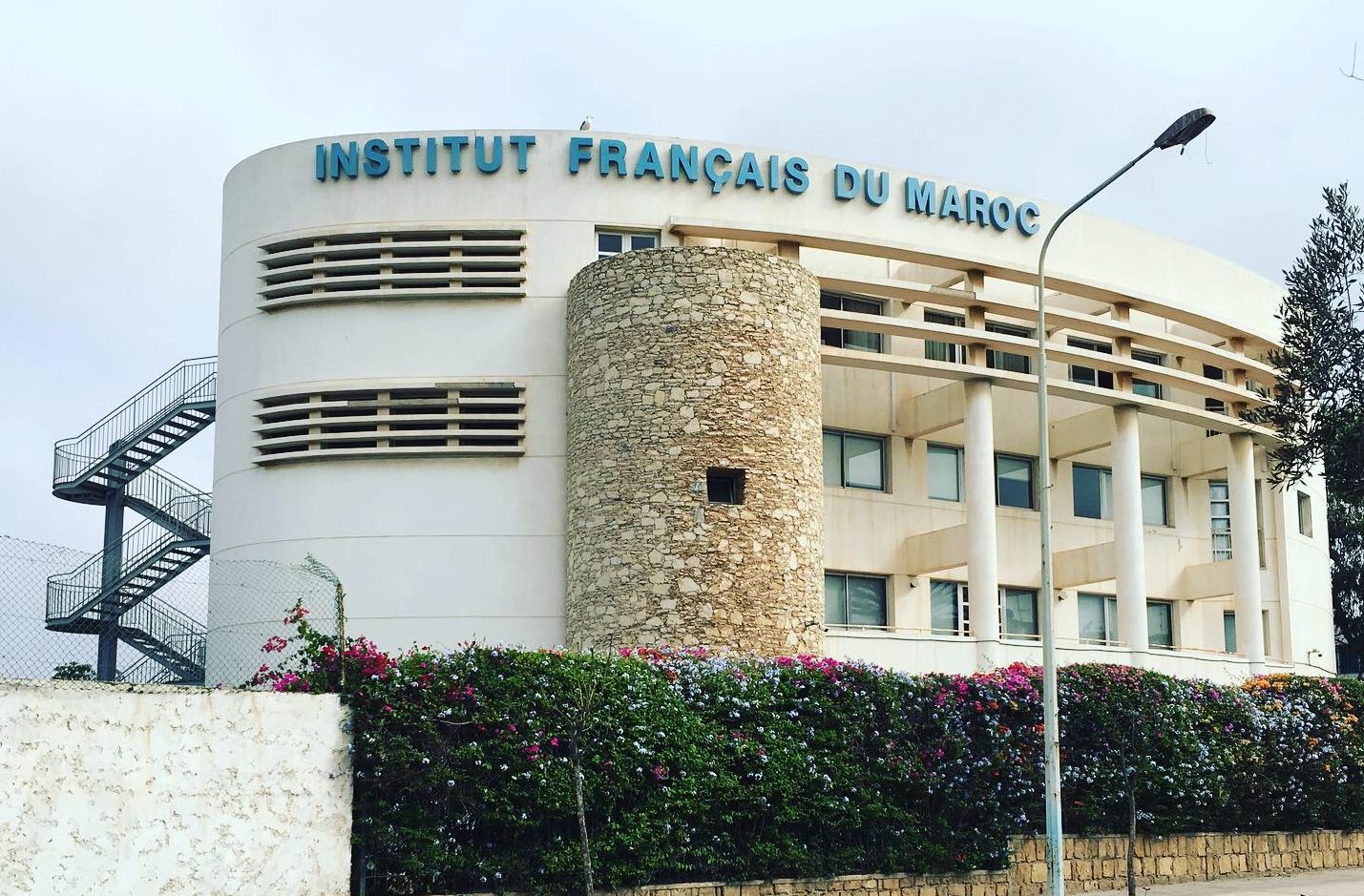
Cinema · Local life · WalkingCentral Agadir brings together the art museum, French Institute, public spaces and several sites connected to the city’s reconstructed identity.
Museums · Architecture · Easy accessBensergao includes cultural initiatives, the reconstructed Medina and Les Étoiles du Souss, giving the district a distinct cultural role.
Community culture · Crafts · Youth programmesEducational and cultural facilities make Dakhla relevant for fine arts, training and scheduled programmes.
Arts education · Workshops · Public cultureThe northern district adds local cultural infrastructure and a different relationship to the coast beyond the central visitor zone.
Community venues · Coast · Local programmesPractical city guide
Keep travel practical: cultural venues can sit in very different parts of the same city.
Red petit taxis are useful for journeys between central Agadir, Bensergao, Dakhla and other districts where cultural venues are spread out.
Several central museums and cultural institutions can be combined on foot, but Greater Agadir is too dispersed for an entirely walkable cultural itinerary.
Pair central museums together, and treat Bensergao, Dakhla or Anza as separate legs rather than assuming every venue is close to the seafront.
Agadir is connected to other Moroccan cities mainly by road and air rather than passenger rail. Check the operator’s current schedule before a longer journey.
One-day idea
A flexible route that can be adapted around opening times and the live events calendar.
Start with the Memories of Agadir Museum or Agadir Musée d’Art to understand the city beyond the beach.
Stay around the centre or Talborjt before moving to a more distant afternoon stop.
Visit Agadir Oufella or choose a cultural space in Bensergao depending on your interests and travel time.
Check Culturama for a concert, cinema screening, festival event or performance at the open-air theatre or another venue.
Plan ahead
Cultural context
The 1960 earthquake is a defining rupture in Agadir’s history. The reconstructed city developed a modern urban landscape, while places such as the Memories of Agadir museum, Olhão Garden and Agadir Oufella help visitors understand the lost city, the disaster and the stages of reconstruction.
This memory is not limited to commemoration. It informs conversations about architecture, archives, photography and the way a city creates a shared narrative after destruction. Museums and rehabilitation projects therefore give historical depth to a destination often presented primarily through tourism and the coast.
Agadir is one of Morocco’s major urban centres of Amazigh culture. Heritage collections, jewellery, textiles, languages, musical practices and the knowledge of the Souss are represented through museums, cultural centres, artistic training and public events.
The Timitar Festival embodies this openness by bringing Amazigh artists into dialogue with music from other parts of Morocco, Africa and the wider world. Beyond flagship events, Cinema Sahara, the French Institute, Les Étoiles du Souss, the National Institute of Fine Arts and university initiatives sustain more regular cultural activity.
Several central venues can be combined within one day, including Agadir Musée d’Art, Cinema Sahara, the French Institute and the open-air theatre. Festivals and outdoor programmes may use several stages, so the exact venue shown on each event page should always be confirmed.
Other spaces are located in Bensergao, Dakhla and the university area. A fuller cultural route should move beyond the seafront and include neighbourhood centres, educational institutions and projects working directly with young people, artists and communities across the Souss.
Explore Morocco
Move between city guides without leaving the English cultural ecosystem.
Mediterranean network
Discover institutions, festivals, networks and partners connecting artists, ideas and projects across Morocco and the Mediterranean.