Arts and cultural association · Rabat
IRTIJAL
Founded in Rabat in 2013 by artist, educator and researcher Nezha Rhondali, IRTIJAL connects contemporary creation, performance, artistic research, transmission and participatory practices.
Why visit
About IRTIJAL
IRTIJAL: an artistic laboratory connecting bodies, territories and society
Founded in Rabat in 2013 by artist, educator and researcher Nezha Rhondali, IRTIJAL is a Moroccan arts and cultural association developing projects at the intersection of contemporary creation, performance, artistic research and transmission.
Its work explores the relationships between body, territory and society through performances, hybrid artistic formats, participatory projects and spaces for collective research. IRTIJAL pays close attention to gestures, know-how, social practices, and musical and dance forms that make up the living memory of Moroccan territories.
In this sense, IRTIJAL is firmly rooted in Rabat's cultural scene and, more broadly, in the contemporary dynamics of culture and the arts in Morocco.
An artistic practice grounded in research and experimentation
Over the years, IRTIJAL has developed a number of emblematic projects that connect creation, research and territorial context.
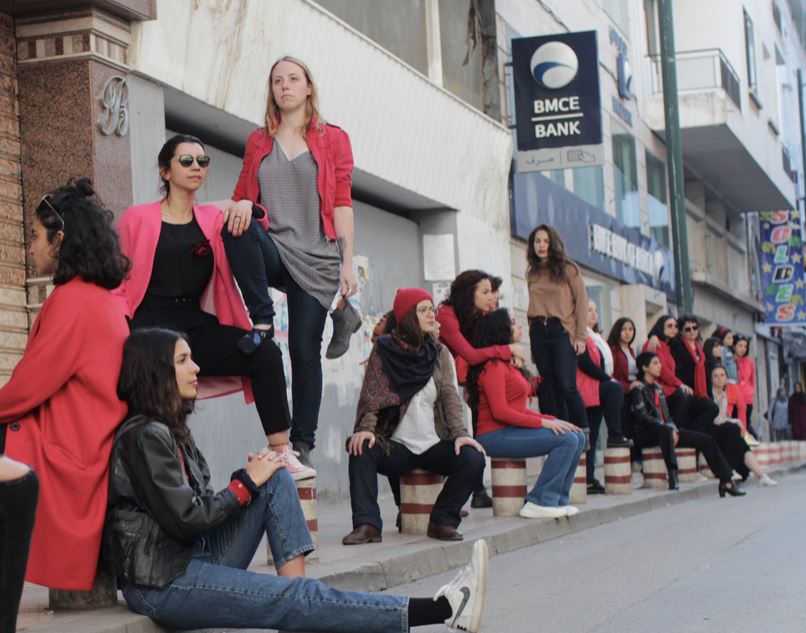
ZANKA DYALNA, initiated by Nezha Rhondali in 2012, explores the place of bodies in public space. Initially developed through danced solos, the project gradually evolved into performances, walks and collective processions bringing together artists, professionals and amateurs. It notably questions gender, uses of the city, and the disappearance or privatisation of shared spaces.
In 2014, TWIZA brought together around thirty artists, designers and farmers in Maoka, near Bir Jdid, for an experience combining artistic creation, permaculture, local materials and reflection on forms of cooperation. The project helped foster an artistic residency space and a wider reflection on the links between contemporary practices, traditional know-how, ecology and collective ways of living.
Between 2016 and 2018, ATLAS Project brought Moroccan and German artists and scientists together in Agdz and Cologne around the socio-ecological transformations of the Drâa territory. Oasis agriculture, water use, earthen architecture, intangible heritage and Ahwach were explored through a transdisciplinary approach combining scientific, artistic and local knowledge.
Bodies, social norms and women's experiences
Questions of gender, feminism, the body and public space run strongly through IRTIJAL's work. The association develops artistic spaces based on openness, inclusion, listening, consent, empathy and non-judgement.
INJONCTIONS, developed in Rabat since 2022, examines the social norms that shape bodies, particularly women's bodies. Performance, installation, workshops and discussion sessions become tools for exploring how these injunctions influence self-perception, gestures and relationships with others.
With KHAYTI, led by Nezha Rhondali and Myriam Rabah-Konaté, craft gestures also become choreographic material. Starting from thread and women's practices inspired by craft traditions between Rabat and Marseille, the work connects body, memory, transmission, installation and sound creation.
Transmission, social dance and an artistic community
Transmission is another major pillar of IRTIJAL. The association organises classes, workshops, training cycles and encounters around improvised dance, Contact Improvisation, somatic practices and performance.
In Rabat, its weekly classes bring together artists, amateurs and students from several art schools. They contribute to building a local community around practice, research and transmission.
Since 2014, IRTIJAL has also organised improvised dance and music jams, including Jam Kabira. These gatherings bring contemporary improvisation, live music and poetry into dialogue with Moroccan popular practices such as Gnawa, Ahwach and Chaabi. Movement becomes a tool for encounter, collective care and shared celebration.
IRTIJAL also develops transmission projects with different social groups and territories, notably through participatory workshops and collective creation processes.
DERDEK, a platform dedicated to performance in Morocco
Through DERDEK, IRTIJAL develops a platform devoted to research, training, artistic support and the circulation of contemporary performance in Morocco.
DERDEK offers workshops, intensive training sessions and research laboratories for artists. The platform seeks to strengthen a performance scene that remains relatively under-structured locally, while opening critical reflection on the history and practices of performance from Morocco, Africa and the Global South.
The Troisième Œil programme extends this approach through a support mechanism based on work sessions and collective feedback. DERDEK also works on the circulation and networking of artists in connection with several Moroccan cultural actors, including Le Cube – Independent Art Room and Fondation Hiba.
TASSAROUT, rooted in Rabat's medina
IRTIJAL also runs TASSAROUT, a cultural third place located in Fondouk Ben Aïcha, in Rabat's medina. The space brings contemporary creation into dialogue with craftsmanship, residents, artists and cultural audiences.
TASSAROUT develops artist residencies, exhibitions, screenings, encounters, performances, book presentations and pop-up markets. Its “Occupations Temporaires” residencies give artists dedicated time for research and experimentation while encouraging direct engagement with the medina and the Fondouk's artisans.
The venue also hosts research-creation programmes centred on the medina's memories, gestures, trajectories and social geographies. The Cartographies sensibles de la médina de Rabat programme is planned to include several residencies, workshops and forms of public restitution, including an interactive map, a publication, an exhibition and the launch of Radio Tassarout.
A Moroccan and international network
IRTIJAL is part of a network of artistic, territorial and international collaborations. In Morocco, the association works in dialogue with artists, collectives, schools and cultural spaces in Rabat, Casablanca, Marrakech, Tangier, Tetouan and Salé.
It also collaborates with cultural institutions and international networks including the Institut Français du Maroc, IRD, Goethe-Institut, British Council, Pro Helvetia, AFAC and the European Endowment for Democracy, as well as artists and companies based notably in Nantes, Marseille, London and Montpellier.
This openness supports artist mobility, the development of residencies and training programmes, and stronger exchanges between Morocco, the Mediterranean and other African art scenes.
IRTIJAL at a glance
- Creation: performance, choreography, visual arts, installations and participatory projects
- Research: bodies, territories, public space, social norms, craftsmanship, ecology and memory
- Transmission: classes, workshops, somatic practices, jams and artistic support
- Platform: DERDEK, dedicated to contemporary performance
- Third place: TASSAROUT, in Rabat's medina
- Reference city: Rabat
To follow cultural life in the capital, explore the Rabat cultural calendar.
Keep exploring
More cultural places in Rabat
More translated cultural places to continue exploring Rabat.

Agdal Cultural Centre
A municipal cultural centre in Rabat’s Agdal district, hosting exhibitions, talks, workshops and community…
Al Mansour House of Culture and Theatre
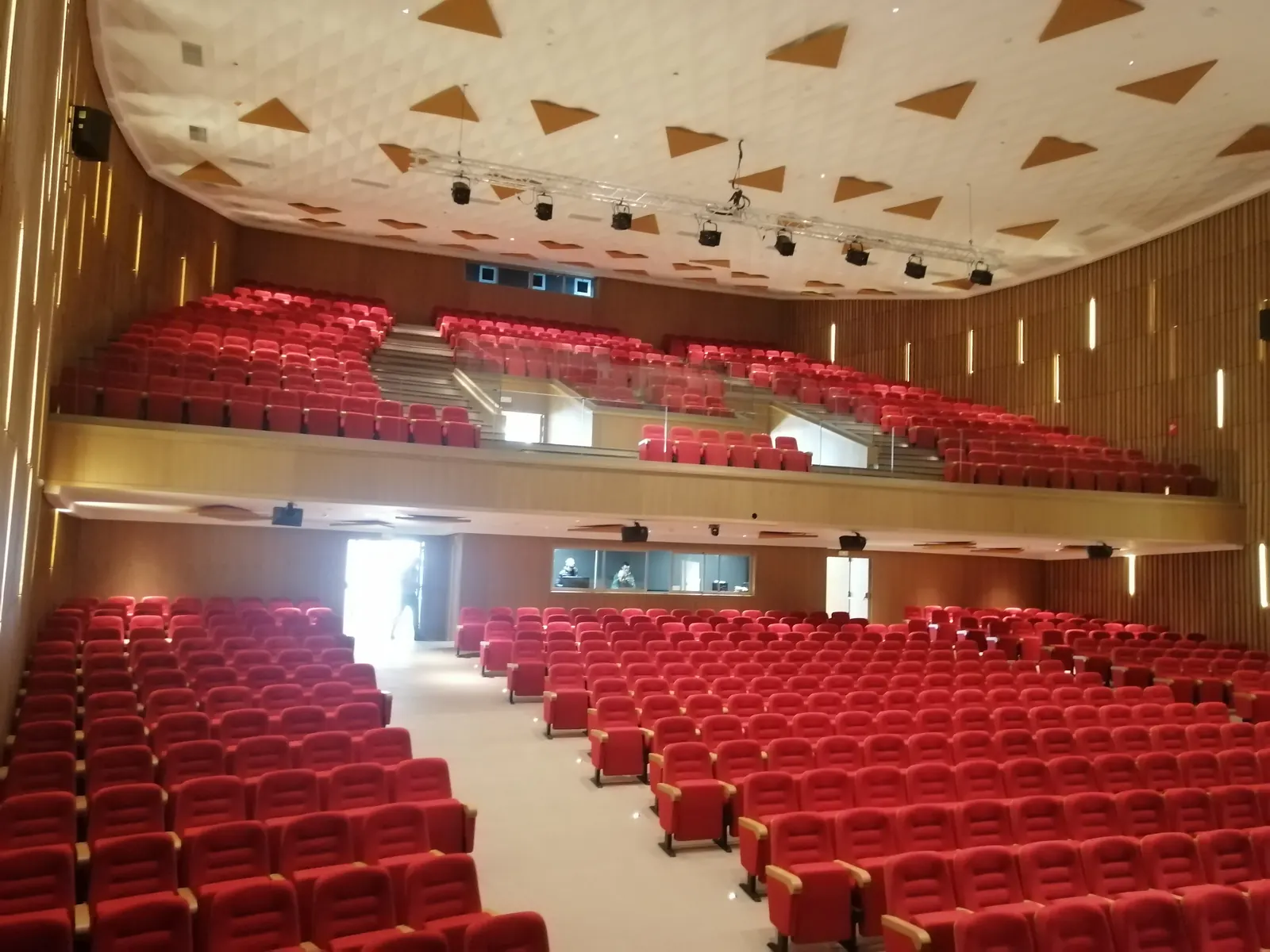
A public cultural venue in Rabat’s Yacoub El Mansour district combining an active theatre, a local library…

Cinéma Renaissance, Rabat
An Art Deco venue in central Rabat for films, festivals, theatre and concerts, forming part of Fondation…

Cinéma Royal Rabat
A traditional cinema in central Rabat with a longstanding role in the city’s cultural life.
Downstage (Tatmin)
Downstage, inside Tatmin in Rabat’s Hassan district, hosts contemporary theatre, improvisation, performances…

Fondation Hiba
Founded in 2006 and based in Rabat, Fondation Hiba supports Moroccan artists and creative industries through…
Location
Find IRTIJAL
Continue exploring
Build a cultural day in Rabat
Connect this venue with current events, heritage, neighbourhoods and other cultural places in Culturama’s Rabat guide.