Film archive · Tangier
Cinémathèque de Tanger – Cinema Rif
Housed in the restored Cinema Rif on Tangier’s Grand Socco, the Cinémathèque combines two screens, film archives, image education, professional encounters and a landmark cultural café.

Why visit
About Cinémathèque de Tanger – Cinema Rif
A cinema institution on Tangier’s Grand Socco
Facing the gates of the medina on the Place du 9 Avril 1947, better known as the Grand Socco, the Cinémathèque de Tanger occupies the former Cinema Rif. The building is generally dated to 1938, when it reportedly opened as Cinema Rex before becoming the Rif. Its façade, sign and position between the modern city and the old medina have made it a landmark of Tangier’s urban memory.
The institution is much more than a protected historic auditorium. It remains an active cinema, a film-preservation centre, an informal school for visual literacy and a daily meeting place for local audiences, filmmakers, students, artists and visitors.
The creation of a pioneering Moroccan cinematheque
The Cinémathèque is a Moroccan non-profit association founded in 2006. The project was initiated by Tangier-born artist and photographer Yto Barrada, working with Cyriac Auriol, Latif Lahlou and other artists and film professionals who wanted both to save Cinema Rif and to establish a permanent institution devoted to film culture in Morocco.
Following the building’s restoration, the organisation moved into the Rif in late 2006 and progressively opened to audiences in 2007. It is widely described as Morocco’s first permanent cinematheque and as one of North Africa’s earliest cinema cultural centres. Its mission is deliberately two-way: to introduce Moroccan audiences to films from across the world and to support the circulation of Moroccan cinema internationally.
Restoring the identity of Cinema Rif
The architectural transformation was led by Jean-Marc Lalo, with Jaouad Khattabi as the local project architect. The design retained the Rif’s popular and visual identity while adapting the building to archival, educational and professional uses.
The main auditorium was reshaped to seat approximately 300 people. A second, more intimate room of around 50 seats is used for screenings followed by discussion, work sessions and presentations for smaller groups. Published capacities have varied slightly over time and according to configuration, but the two-screen structure remains central to the venue.
- a film and video library with an archive consultation area;
- an editing and post-production room;
- a stage and dressing room for talks and performances;
- offices and working spaces;
- the Cinema Rif café overlooking the Grand Socco.
The current technical resources include digital 4K projection alongside 35 mm, 16 mm and video formats. This coexistence of analogue and digital equipment directly supports the cinematheque’s preservation and programming mission.
Showing films beyond the commercial cycle
The programme is not restricted to the short theatrical life of new commercial releases. It includes Moroccan, Arab, African and international cinema, independent films, documentaries, shorts, experimental work, artists’ moving images, restored classics and retrospectives.
Screenings may be followed by filmmaker encounters, public discussions, critical introductions and guest programmes developed with partner institutions. The contemporary schedule also combines auteur cinema with selected mainstream releases, family screenings and films connected to Tangier’s own history. The NAAS network, of which the cinematheque is a member, describes a year-round activity of around twenty screenings each week.
See current cultural events in Tangier and consult the official programme for screening times, ticketing and language versions.
Preserving the region’s film memory
Exhibition is only one part of the institution’s work. The Cinémathèque develops and interprets a collection of documentaries, experimental films, artists’ videos, publications, objects and records connected to the cinema histories of Morocco, the Arab world and the Mediterranean.
Its poster collection has acquired particular recognition. It includes historical material from Tangier’s cinemas and new hand-painted or reinterpreted posters commissioned from contemporary artists. Selections have travelled outside Morocco, including an exhibition at the Gaîté Lyrique in Paris. The multilingual publication Album Cinémathèque de Tanger likewise used films, cinemas and archival traces to tell an illustrated history of Tangier on screen.
The library, video library and consultation centre turn these materials into resources for research and transmission. They treat film not only as entertainment, but also as evidence of the city’s social, political and visual history.
Qisas and education through moving images
Work with children and young people is one of the organisation’s defining priorities. School screenings, discussions, filmmaking workshops, editing, writing, photography and multidisciplinary practice help participants understand how images are constructed and how they can use them to tell their own stories.
Launched in 2020 with support from the Drosos Foundation, Qisas — “stories” in Arabic — combines film discovery with creative production. By 2024 it had involved more than 317 young participants. Qisas Fest brought films, performances, public discussions and video mapping into the auditoriums, café, terrace and façade of Cinema Rif.
The objective is broader than training future professionals. The programme develops curiosity, self-expression and critical visual literacy while remaining closely connected to Tangier’s schools and community organisations.
Festivals and exchanges across the Strait
The Cinémathèque hosts festivals, international seasons and collaborations with Tangier’s cultural networks. The Institut Français de Tanger regularly presents films and thematic programmes at the Rif. The venue is also a Tangier partner of the African Film Festival of Tarifa–Tangier, linking audiences and professionals on both sides of the Strait of Gibraltar.
In May 2026, the cinematheque was among the Tangier venues of FCAT alongside the Instituto Cervantes and Dar Niaba. Such partnerships extend its international role while giving sustained visibility to African cinemas, documentary work and professional exchange.
Continue exploring the Cinema Roxy, the Cinema Mauritania–CineAtlas project, KIOSK by Think Tanger and other cultural places in Tangier.
The café as part of the cultural project
The Cinema Rif café is inseparable from the cinematheque’s identity. Vintage furniture, film posters and a terrace facing the Grand Socco make it a meeting place that remains active beyond screening times. Audiences can prepare for a film, continue a conversation afterwards or simply spend time watching the square.
This connection between cinema and everyday city life explains much of the institution’s influence. The archive is not isolated from its audiences: it operates as a living and accessible cultural space crossed by the rhythms of Tangier.
Planning a visit
The Cinémathèque is located at the Grand Socco, Place du 9 Avril 1947, at the entrance to Tangier’s medina. Its official website currently indicates general opening from Tuesday to Sunday, 8:30 am to 11 pm. Screening schedules, prices and access conditions vary independently, and tickets are generally sold at the box office.
What’s on
Upcoming events at Cinémathèque de Tanger – Cinema Rif

The Electric Venus — Pierre Salvadori at Tangier Cinémathèque
22 Oct 2026 · 19:30 les 22 et 24 octobre uniquement
Pierre Salvadori's The Electric Venus screens at Tangier's Cinéma Rif on 22 and 24 October 2026 at 7:30pm, tickets 40 MAD. Horror Night — Sanguine and La Robe peau at Tangier Cinémathèque
31 Oct 2026 · 19:30 (séance annoncée pour les deux films)
On 31 October 2026 at 7:30pm, Tangier Cinémathèque hosts a Horror Night featuring La Robe peau and Sanguine, with tickets…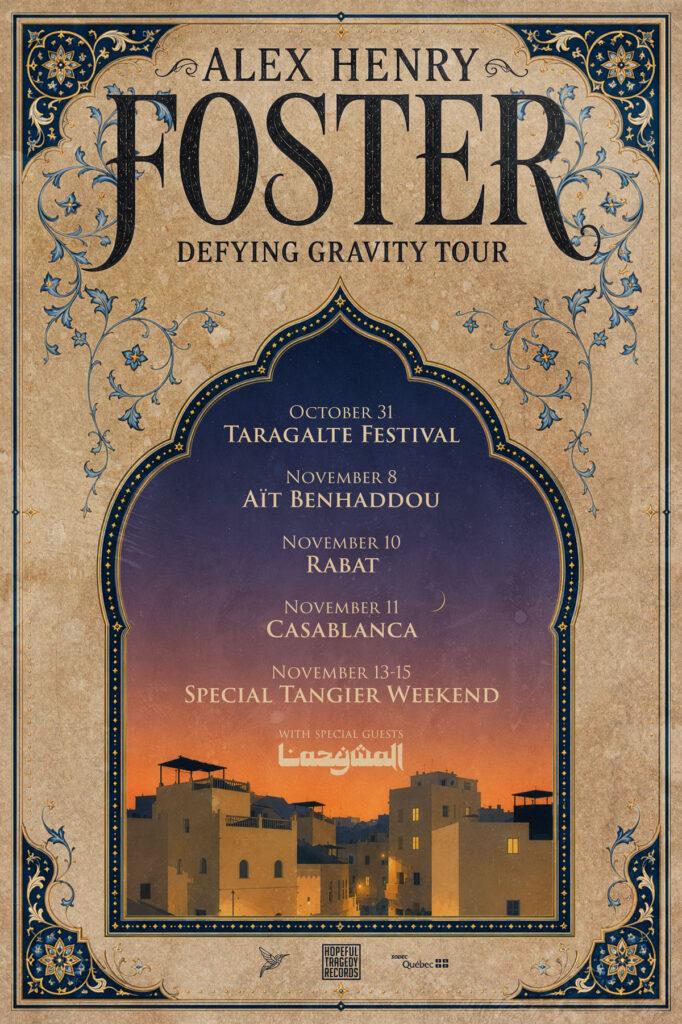
Kimiyo — screening and conversation with Alex Henry Foster in Tangier
14 Nov 2026
Kimiyo — screening and conversation with Alex Henry Foster in Tangier — 14 November 2026. Cinéma Rif — Cinémathèque de…Location
Find Cinémathèque de Tanger – Cinema Rif
Continue exploring
Build a cultural day in Tangier
Connect this venue with current events, heritage, neighbourhoods and other cultural places in Culturama’s Tangier guide.