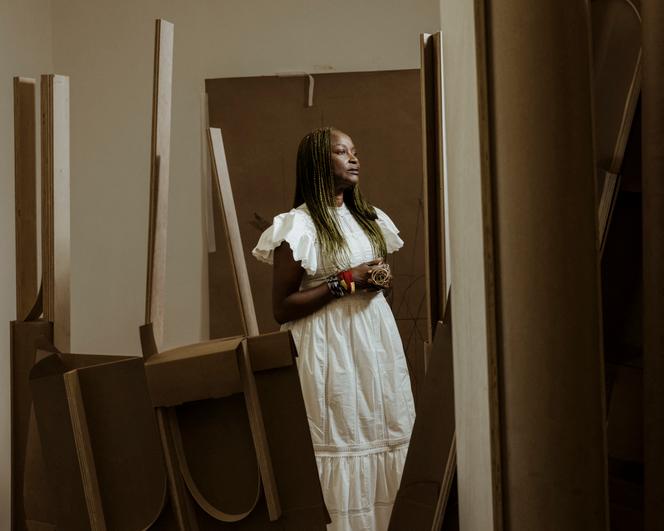
Koyo Kouoh did more than organise exhibitions. She built spaces, developed networks and helped shift the way African and diasporic artists are viewed.
Appointed to lead the 2026 Venice Biennale’s international exhibition, she became the first African woman to hold the role. Her death before the opening did not end the project. In Minor Keys was carried forward by the team that had worked with her, as a collective legacy rather than a fixed signature.
Curating as relational work
The role of a curator is still often misunderstood. It is not simply a matter of selecting works and arranging them in a room.
Curating constructs a narrative, connects practices, negotiates with institutions, supports production and determines the conditions in which the public encounters a work.
Koyo Kouoh defended a deeply relational approach. She focused on artists, but also on political contexts, memory and forms of knowledge long marginalised by dominant institutions.
From Dakar to Cape Town
Based in Dakar, she founded Raw Material Company in 2011, a centre devoted to art, knowledge and society. It quickly became an important space for research, curatorial training and critical debate in Africa.
From 2019, she directed the Zeitz Museum of Contemporary Art Africa in Cape Town. The position enabled her to work at the scale of a major museum while maintaining close attention to artists, archives and questions of representation.
Her career demonstrates that an artistic scene does not develop through artworks alone. It needs institutions capable of preserving, documenting, funding, exhibiting and discussing those works.
In Minor Keys, an exhibition to listen to
The title of the project suggests attention to quieter, less spectacular forms. This does not diminish their importance; it means listening to what escapes triumphant master narratives.
The exhibition brings together practices concerned with fragility, memory, resistance and everyday existence. It asks visitors to slow down and pay attention to what is built at the margins.
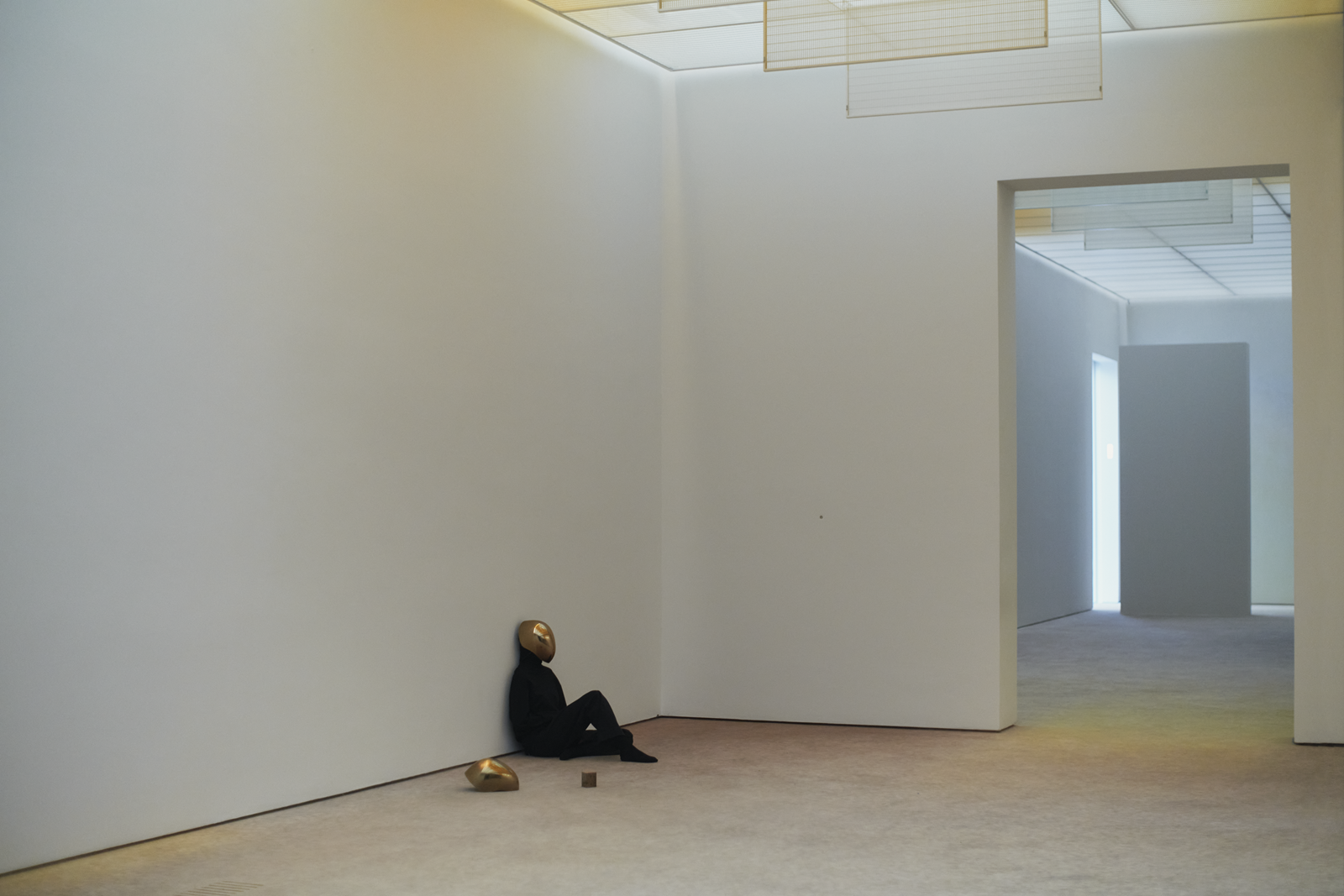
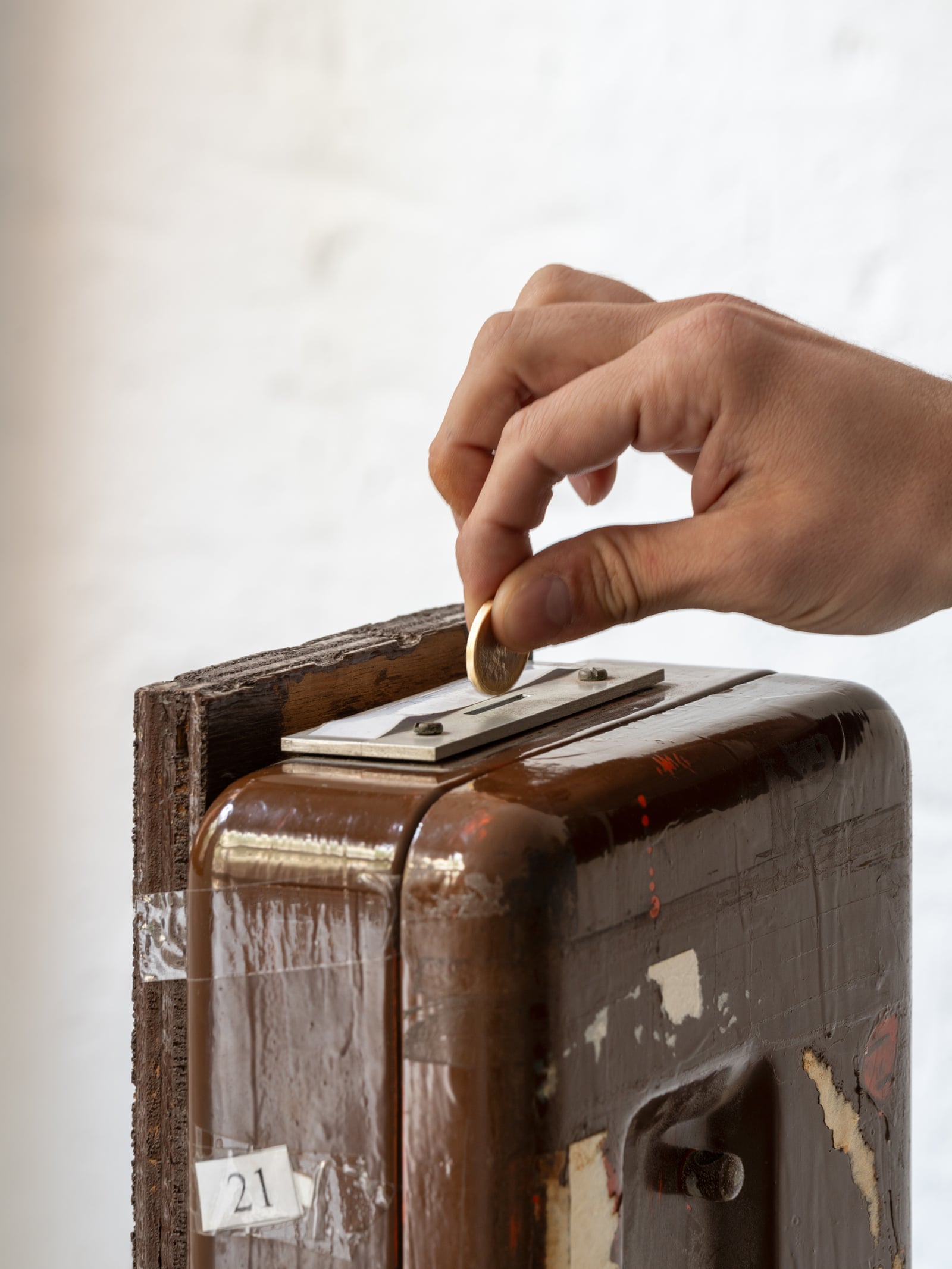
This approach creates a dialogue with projects such as Lydia Ourahmane’s work in Venice, where objects, local uses and human relationships become the very materials of the exhibition.
Changing the geography of legitimacy
For a long time, African artists were often internationally recognised only after validation by European or North American institutions. Koyo Kouoh worked to reverse that logic.
She helped create places of legitimacy, research and transmission from the African continent. Her work did not seek to isolate an “African scene”, but to enable it to participate in international exchange without losing control of its own narratives.
Morocco’s pavilion built around the work of Amina Agueznay similarly shows the importance of presenting a work through its material history, collaborations and own frameworks of interpretation.
An institutional legacy
Koyo Kouoh’s legacy cannot be measured only by the number of exhibitions she produced. It can be seen in the professionals she supported, the conversations she opened and the institutions she strengthened.
For African cultural industries, this dimension is crucial. International visibility remains fragile when it is not supported by archives, research centres, training programmes and sustainable funding.
Photography offers another example. The 2026 Rencontres d’Arles and their attention to African photographic practices demonstrate how strongly curatorial work shapes the circulation and interpretation of images.
Why her work remains relevant
At a time when cultural institutions seek to diversify their programmes, Koyo Kouoh reminds us that representation cannot be a matter of display alone. It requires change in decision-making methods, teams, acquisitions, archives and relationships with artists.
In Minor Keys carries this demand into its form. The exhibition does not turn the curator’s death into a monument. It continues a shared process, attentive to the voices and rhythms she had chosen to place at the centre.