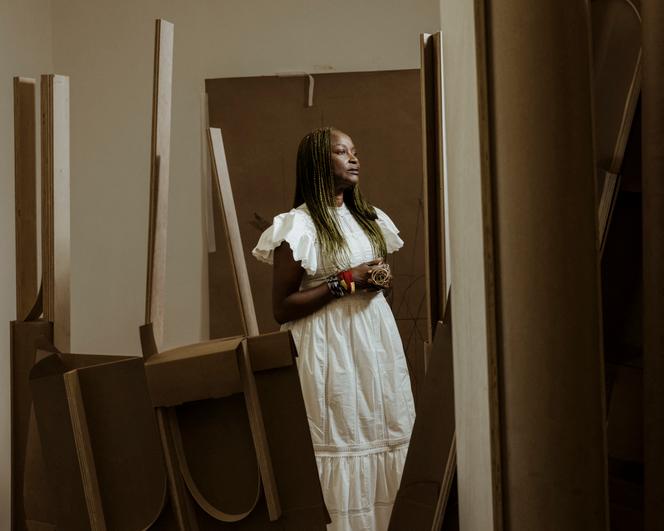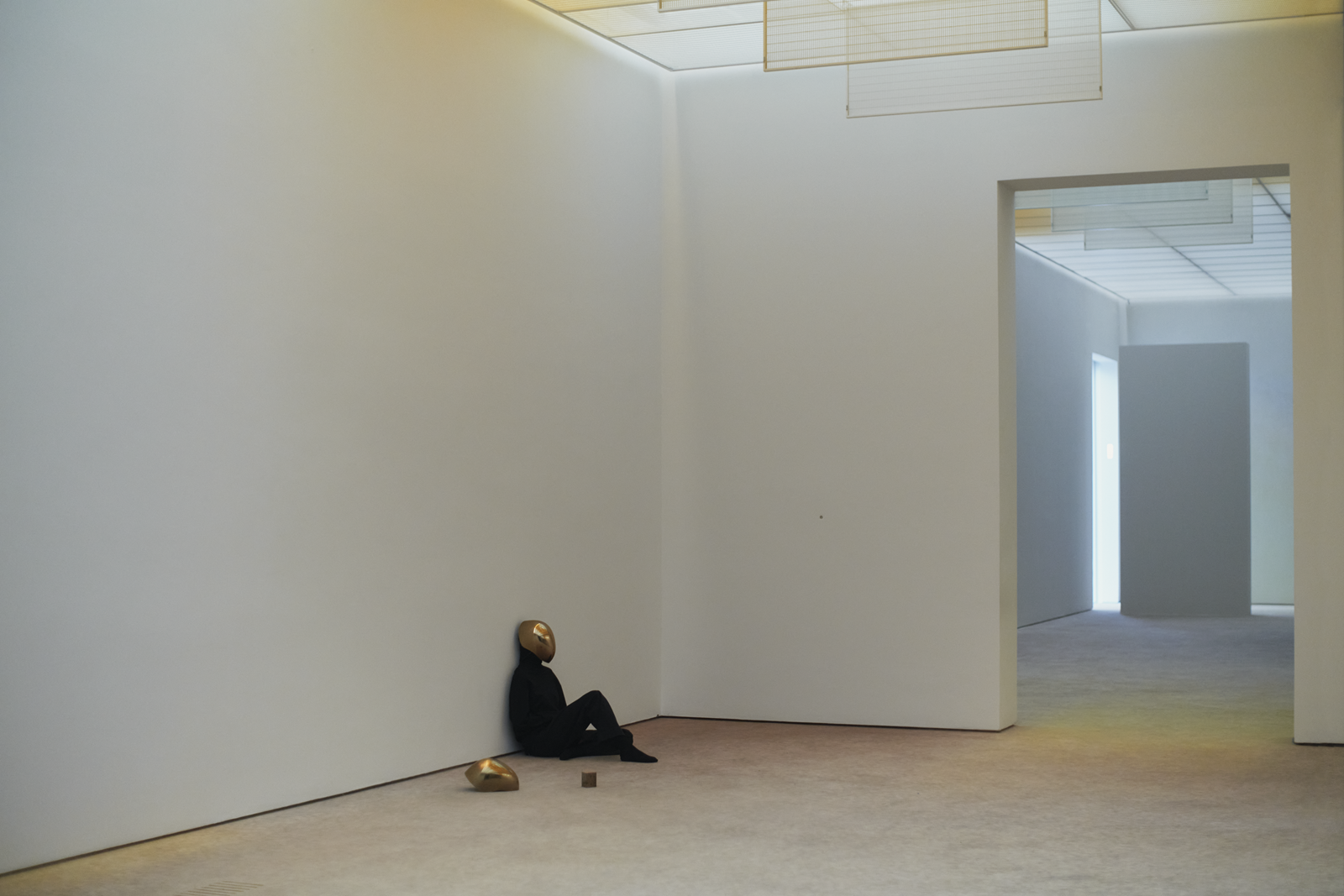
In Venice, Lydia Ourahmane does not simply install works made elsewhere. Her exhibition 5 Works is built from the city itself: its objects, mechanisms, buildings, waste, residents and the tensions between collective use and private appropriation.
This method gives the exhibition a particular form. Each work is less an autonomous object than a temporary relationship between the artist, a place and the people who pass through it.
Refusing the city as backdrop
Venice is one of the world’s most photographed cities and one of the most frequently used as a cultural stage. International exhibitions attract artists, collectors and institutions, at the risk of turning the territory into an available backdrop.
Lydia Ourahmane reverses that relationship. She works with what already exists and considers what will happen after the exhibition. Some elements are intended to return to their initial use or become part of a local collective project.
This attention distinguishes her practice from spectacular production that consumes a place and then leaves. The question is no longer only “what does the artist show?” but “what does she leave behind?”
Objects shaped by circulation
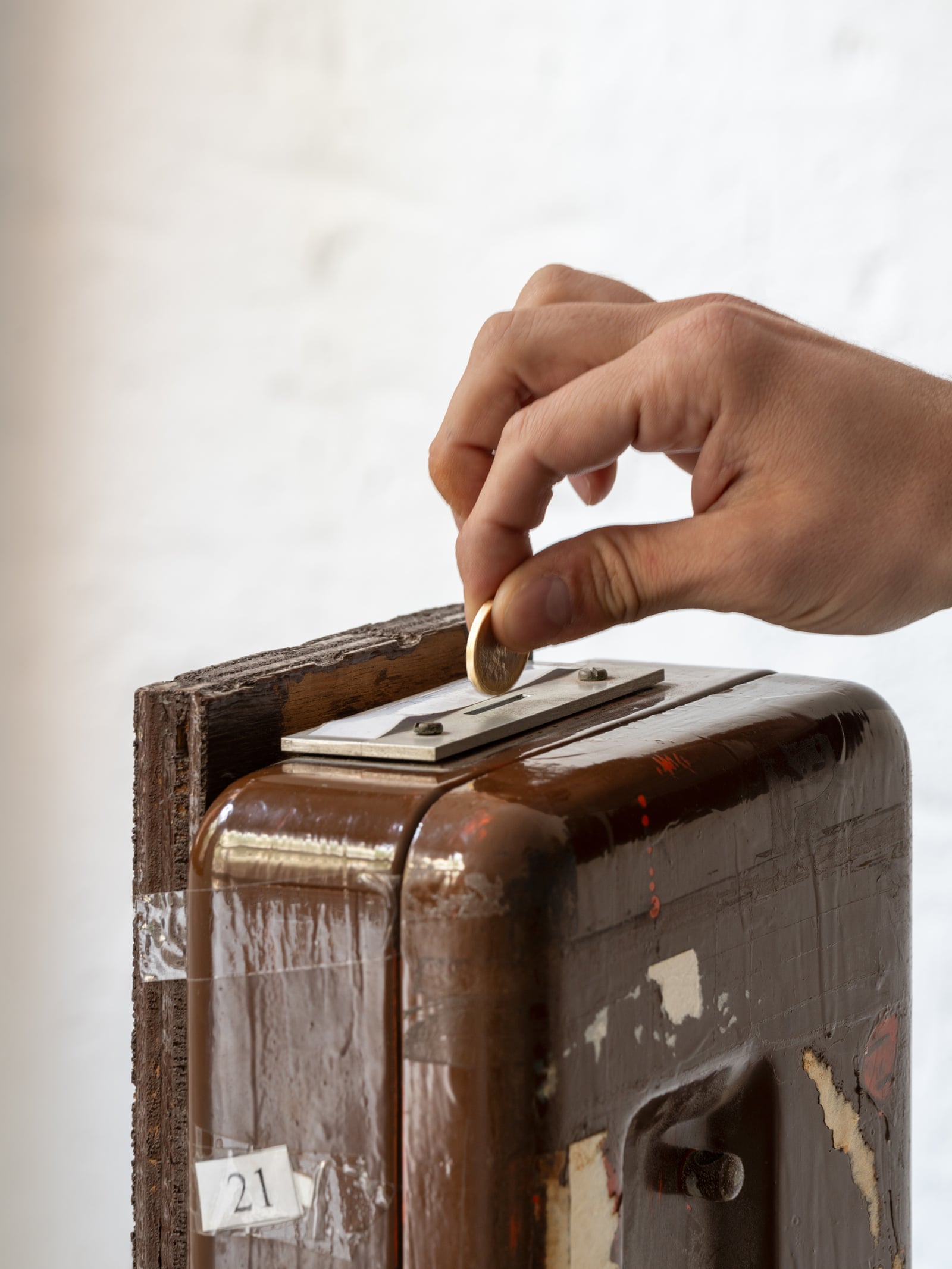
The exhibition includes used hotel linen, a lighting device inspired by those found in churches and elements connected to a proposed jetty for the island of Poveglia.
These materials are not neutral. The linen speaks of the tourism economy and anonymous passage. The light raises questions of donation, belief and the monetisation of a gesture. The jetty evokes access to an island, common use and a group’s ability to reclaim a space.
Ourahmane often works on migration, extraction, colonial legacies and the way objects change meaning when they cross borders. In Venice, circulation becomes both subject and method.
A Mediterranean practice without folklore
Born in Algeria and living between several territories, the artist rejects expected representations of a fixed identity. Her work does not illustrate national belonging through immediately recognisable symbols.
Instead, it examines the systems that produce identities: administration, property, memory, displacement, language and material history.
This approach resonates with other North African presences in Venice, including Morocco’s first official pavilion centred on Amina Agueznay. The projects are different, but both pay attention to gestures, materials and the human networks that make a work possible.
Producing with people, not in their place
Part of the work involved women living in Venice, including women in prison. This collaboration raises important questions: how can participation avoid becoming a communication device? Who is recognised as a producer of the work? What pay, visibility and continuity are provided?
Contextual practice is credible only when these relationships are legible. The public should be able to understand how decisions were made and what each partner gains from the project.
Within the wider Biennale, this requirement echoes Koyo Kouoh’s vision for In Minor Keys, attentive to quieter forms of presence, resistance and transmission.
Another idea of the exhibition
5 Works shows that an exhibition can be conceived as a process rather than an accumulation of objects. The museum or gallery becomes a space where uses, narratives and responsibilities meet.
This way of working requires more time. It is less easily reproduced and sometimes more difficult to sell. But it opens an essential path for contemporary art: creating an experience that does not hide the conditions of its production.
Lydia Ourahmane therefore proposes a form of relational ecology. It is not only about reducing materials, but examining the consequences of a work for the place that hosts it.