Cultural institute · Casablanca
Instituto Cervantes Morocco – Casablanca
Spain’s cultural network in Morocco, with Spanish courses, exams, libraries, film, literature, exhibitions and artistic cooperation in Casablanca.

Why visit
About Instituto Cervantes Morocco – Casablanca
Morocco’s main Spanish-language cultural network
Instituto Cervantes Morocco operates one of the country’s most extensive foreign cultural networks. Its principal centres are located in Casablanca, Rabat, Fez, Marrakech, Tangier and Tetouan, supported by teaching extensions and partner spaces in Meknes, Nador, Al Hoceima, Agadir, Larache, Chefchaouen and other cities. This guide is mapped to the historic Casablanca branch while explaining the institution’s wider national role.
Created by Spain in 1991, Instituto Cervantes promotes Spanish and Spain’s co-official languages, certifies language proficiency and supports the cultures of Spain, Latin America and the wider Spanish-speaking world. In Morocco, this mission is shaped by Mediterranean proximity, shared histories, translation, university Hispanism and long-standing artistic exchange.
The Casablanca centre and its historic building
The Casablanca branch is historically based at 31 Rue d’Alger, near Arab League Park and Boulevard Moulay Youssef. The building is linked to the former Tirso de Molina Spanish Cultural Mission and forms part of the city’s Spanish architectural heritage. Its design was commissioned in 1929 from architects Luis Blanco Soler and Rafael Bergamín Gutiérrez.
In 2026 the historic building is undergoing major renovation. Reception, classes, examinations and library services are therefore operating mainly from 2 Rue Pierre et Marie Curie. Visitors should confirm the venue for each programme because exhibitions, screenings and talks may also take place in partner cinemas, galleries, universities and public spaces across Casablanca.
Culture from Spain, Latin America and Morocco
The cultural programme goes beyond presenting Spanish artists abroad. It circulates work from across the Spanish-speaking world and develops partnerships with Moroccan artists, researchers, universities, cinemas, galleries and festivals. Regular fields include film, literature, visual art, dance, theatre, music, architecture, gastronomy, translation and public debate.
Its 2026 activity included film premieres, online documentary cycles, partner-gallery exhibitions, a Book Day programme at Ain Chock Faculty of Letters, the participatory digital map Casablanca en español and Memoria del futuro, a project documenting the Rue d’Alger building. Further announced programmes include emerging printmaking, contemporary dance and flamenco events.
Ana María Matute Library
The Casablanca library is a core part of the institution. Founded in 1963 as the Calderón de la Barca Library, it belonged to the Spanish Cultural Centre before joining Instituto Cervantes in 1993. In 2011 it was renamed after Spanish novelist and Cervantes Prize winner Ana María Matute.
Its holdings include Spanish and Latin American literature, linguistics, language-learning resources, humanities, film, music, comics, periodicals and material on relations between Spain, Morocco and the Maghreb. On-site consultation is open and free. Annual membership provides borrowing rights, electronic resources and access to selected services across the Cervantes library network.
Published rules generally allow four books and three audiovisual items to be borrowed for twenty-one days. The library also offers Wi-Fi, bibliographic assistance, interlibrary loans, user training, group visits, reading clubs, storytelling, workshops and author meetings. Fees and membership conditions should be checked before registration.
Spanish courses and digital learning
The institute provides general Spanish courses from beginner to advanced level, intensive sessions, classes for children and teenagers, corporate training, conversation workshops and exam preparation. Some programmes may also be delivered in Mohammedia or through partner institutions.
Learning is connected to cultural participation: students are encouraged to use the library, attend screenings and take part in events that expose them to the diversity of the Spanish-speaking world. The Aula Virtual de Español and other digital tools support remote and blended learning.
DELE, SIELE and teacher development
Casablanca is an examination centre for the internationally recognised DELE diplomas, including adult and school-level sessions. Instituto Cervantes also supports evaluation systems such as SIELE and provides initial and continuing professional development for teachers of Spanish as a foreign language.
Exam dates, available levels, fees, reductions and venues vary by session. Candidates should consult the relevant call before registering. Teacher programmes include methodology workshops, digital resources and specialist qualifications.
Moroccan–Hispanic cultural cooperation
In Morocco, Instituto Cervantes is more than a language school. It supports Hispanists, translators, researchers, students and artists working between the two shores of the Mediterranean. Casablanca’s literary programmes regularly explore Spanish–Moroccan writing, colonial memory, migration, port cities and the movement of people and ideas.
This places the centre alongside international partners such as the French Institute of Casablanca and Goethe-Institut Morocco, while connecting it to local institutions including the Abderrahman Slaoui Foundation Museum, universities, galleries and festivals.
Practical information
Historic headquarters and map point: 31 Rue d’Alger, Casablanca. Temporary operating address during renovation: 2 Rue Pierre et Marie Curie, Casablanca 20070. Telephone: +212 5 22 26 73 37. General email: infocas@cervantes.es. Cultural programme: cultcas@cervantes.es. Library: bibcas@cervantes.es.
Reception normally operates Monday to Thursday from 8:30 am to 6 pm and Friday from 8:30 am to 3 pm. Summer, Ramadan, library and examination schedules may differ. Browse current events in Casablanca and the cultural map before travelling.
Explore by type
More cultural centres & institutes in Casablanca
Continue with other published English venue profiles in the same city.
Keep exploring
Cultural places near Instituto Cervantes Morocco – Casablanca
Distances below are approximate straight-line distances based on verified coordinates.
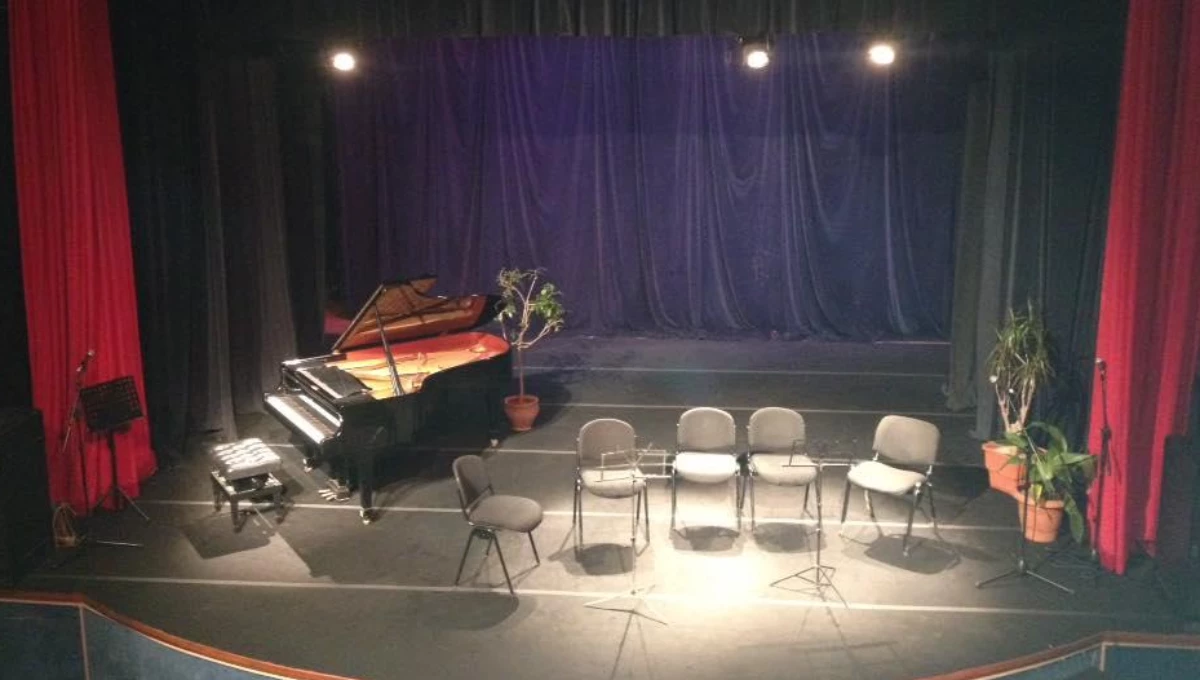
Sidi Belyout Cultural Complex
A central Casablanca municipal venue combining the Bouchaib Bidaoui Theatre, music conservatory, library,…
Approx. 0.8 km away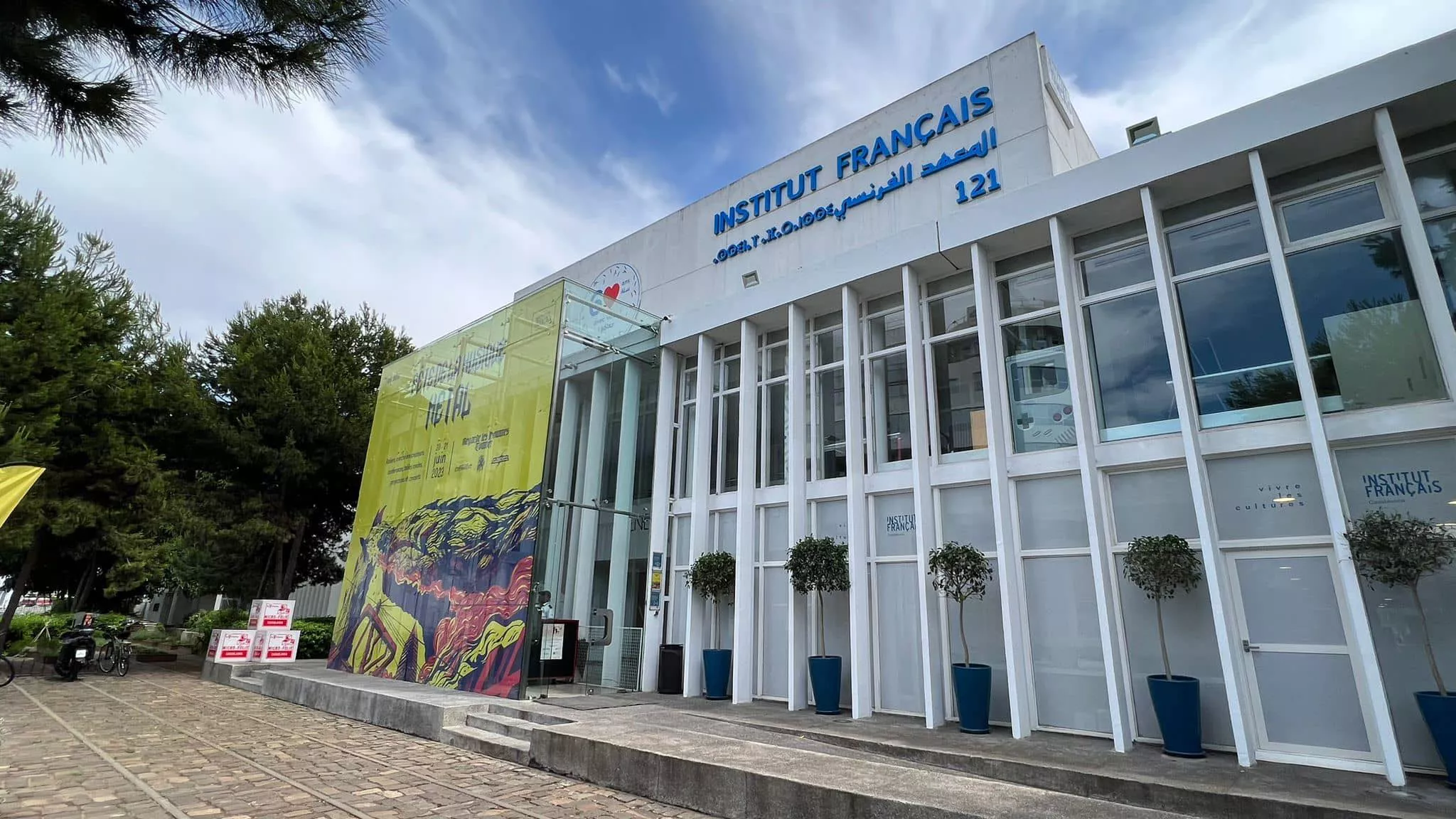
French Institute of Casablanca
A central Casablanca cultural campus combining Theatre 121, Gallery 121, media libraries, French courses,…
Approx. 1.8 km away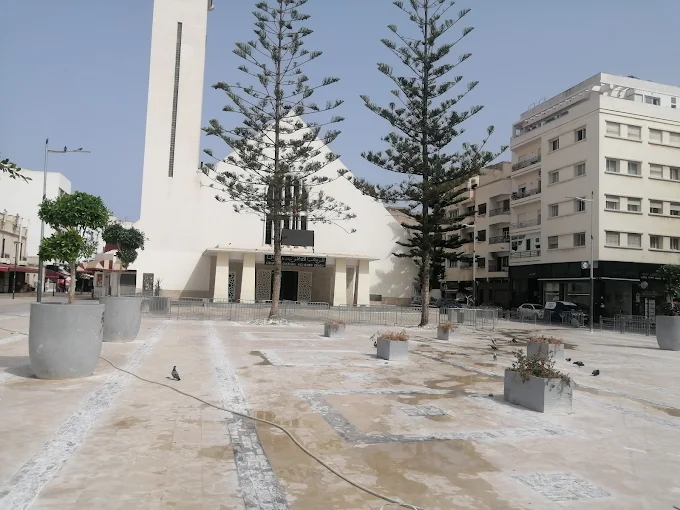
Mohamed Zefzaf Cultural Complex
A major municipal cultural venue in Casablanca’s Maârif district, with a 577-seat auditorium, arts…
Approx. 2.7 km away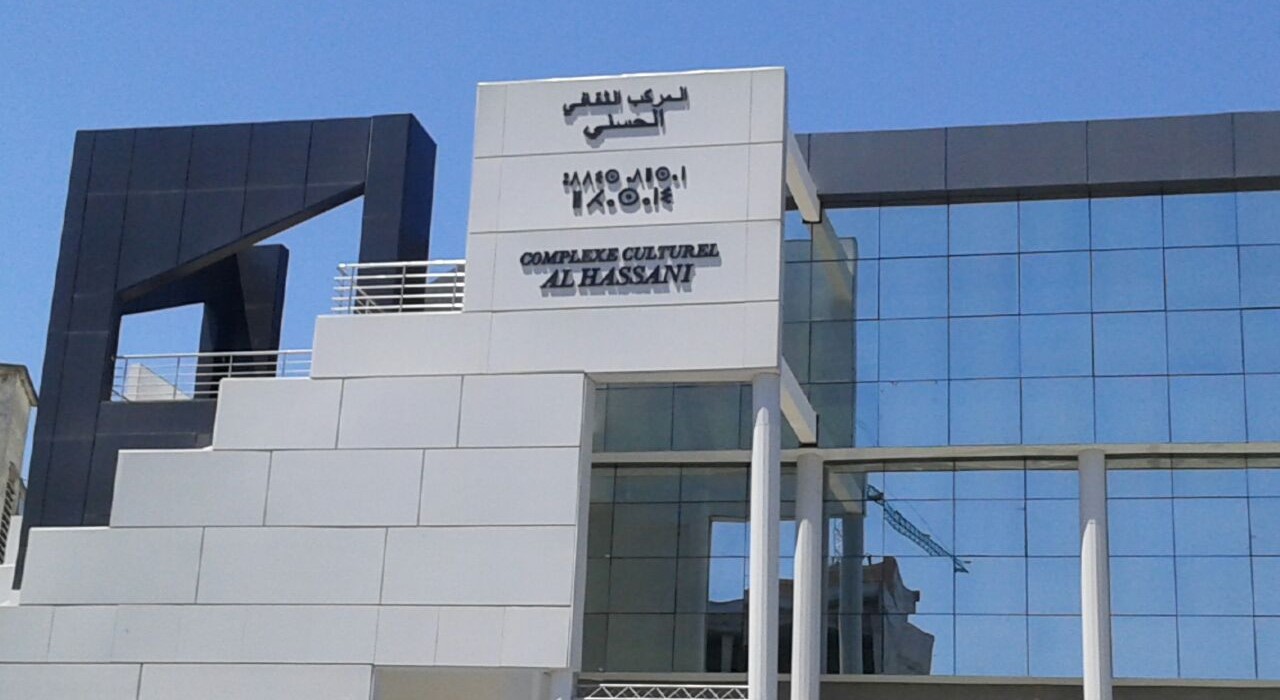
Al Hassani Cultural Complex, Casablanca
Municipal cultural centre in Hay Hassani with a 515-seat theatre, exhibition gallery, arts conservatory and…
Approx. 4.6 km away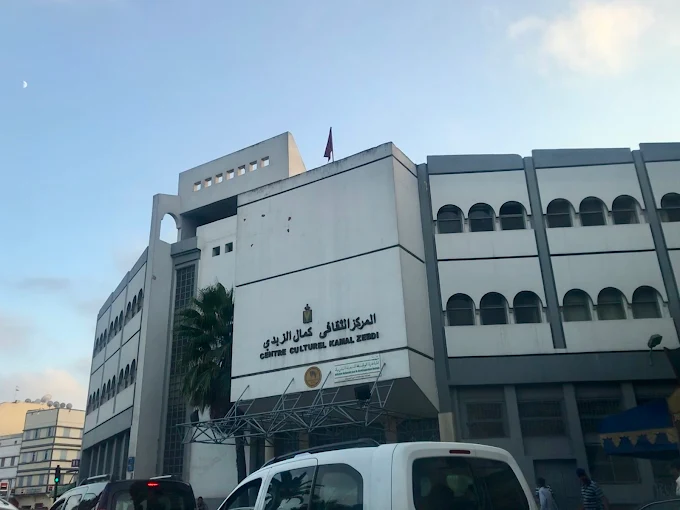
Kamal Zebdi Cultural Complex
Founded in 1986 in Ben M’Sick–Sbata, Kamal Zebdi Cultural Complex is a public neighbourhood venue with a…
Approx. 4.9 km awayLocation
Find Instituto Cervantes Morocco – Casablanca
Continue exploring
Build a cultural day in Casablanca
Connect this venue with current events, heritage, neighbourhoods and other cultural places in Culturama’s Casablanca guide.