Medina & ramparts
Essaouira’s fortified medina brings together Atlantic views, eighteenth-century urban planning, craft streets and a compact network of cultural stops.
Essaouira cultural city guide
Essaouira connects maritime heritage, Gnaoua music, visual arts, Jewish-Moroccan memory and contemporary culture. Its UNESCO-listed medina, ramparts, port, galleries and meeting places form a human-scale cultural landscape open to the Atlantic and the wider world.
Use this living guide to discover what is happening in Essaouira, connect music and festivals with permanent cultural places, and explore the medina through heritage, art and memory.

Popular searches
Jump directly to the city’s cultural calendar, this week, the weekend, free events and the main cultural categories.
Live cultural calendar
No translated event currently falls inside the next seven days, so here are the next published events.
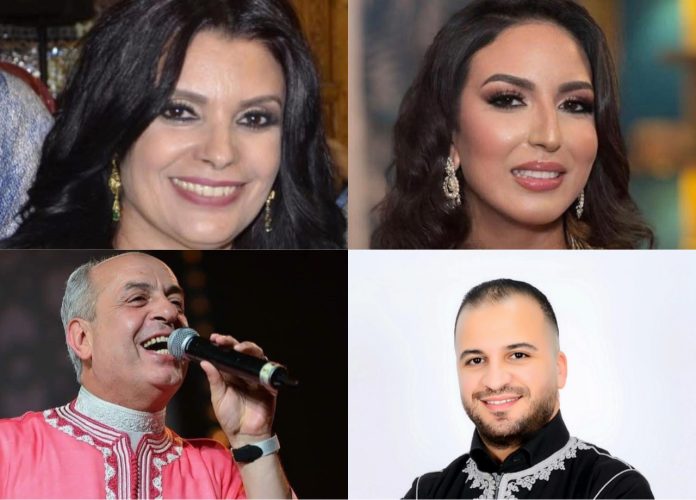
29 Oct · Dar Souiri, Bayt Dakira et autres scènes du festival
Andalousies Atlantiques 2026 — Alif × Alef in Essaouira — 29 October 2026 — 31 October 2026. Dar Souiri, Bayt…
10 Dec · Plusieurs lieux d’Essaouira et résidence d’artistes Ifitry
The Casablanca International Biennale relocates to Essaouira for an exceptional sixth edition bringing together…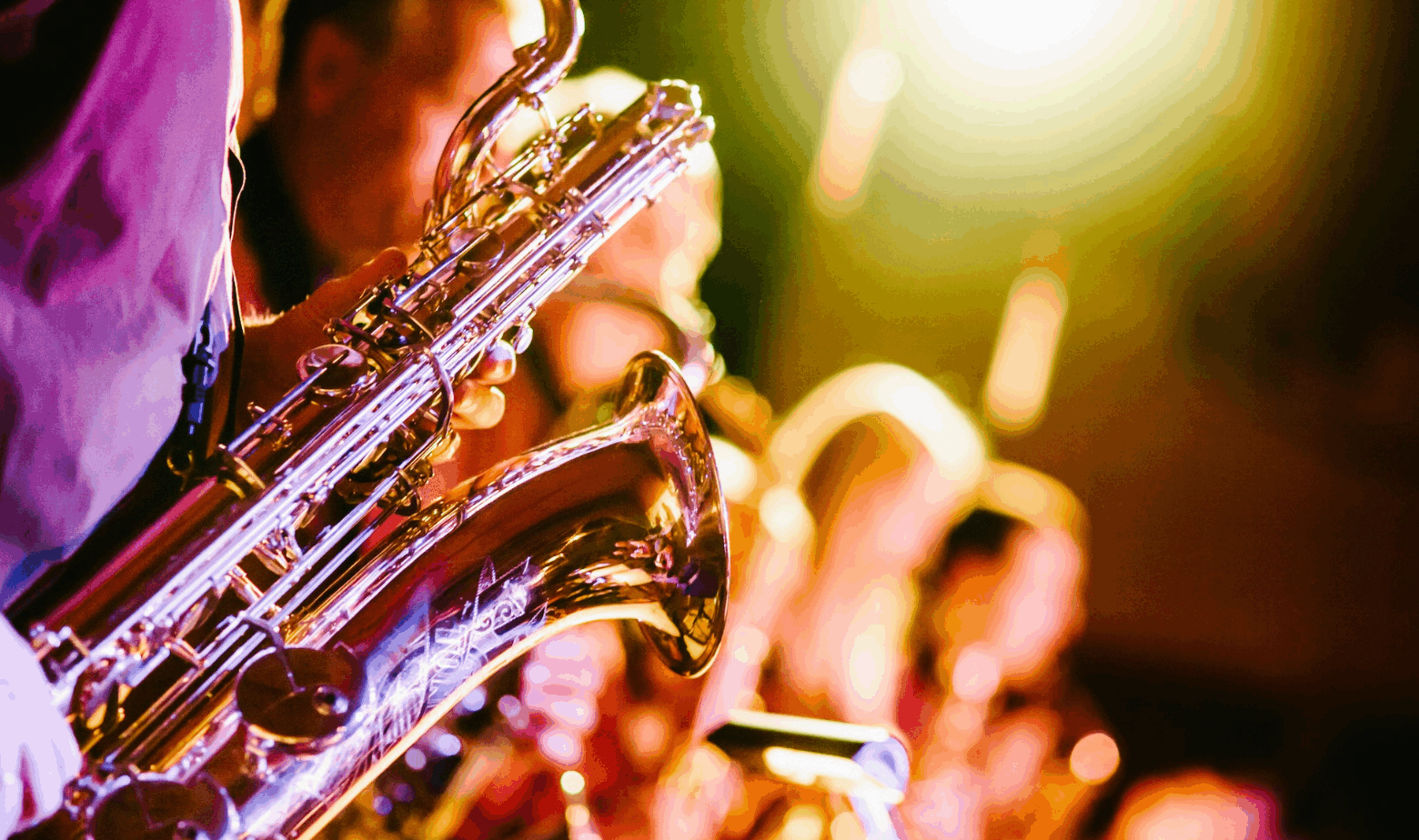
26 Dec · Dar Souiri
Jazz sous l’Arganier returns to Essaouira from December 26 to 28, 2026 for its 10th edition at Dar Souiri, with…Where to go


Heritage & context
Use heritage as part of the cultural itinerary rather than as a separate checklist.
Essaouira’s fortified medina brings together Atlantic views, eighteenth-century urban planning, craft streets and a compact network of cultural stops.
The sea walls and port help explain the city’s historic role as a trading harbour and remain central to its visual identity.
The former Jewish quarter and institutions such as Bayt Dakira are central to understanding Essaouira’s plural social and cultural history.
Explore by area
Most galleries, memory spaces, heritage sites and small cultural venues are concentrated within a compact pedestrian area.
Heritage · Galleries · WalkingThe fortified seafront combines heritage, galleries and some of the city’s most recognisable Atlantic spaces.
Architecture · Art · PhotographyThe Mellah adds an essential layer to the city’s Moroccan-Jewish history and should be understood through both streets and interpretation spaces.
Memory · History · HeritageThe working harbour and beachfront connect the medina with Essaouira’s ongoing maritime identity.
Maritime heritage · Walking · PhotographyNeighbourhoods beyond the medina include public facilities and cultural programmes that receive less visitor attention.
Local programmes · Community culture · Longer staysPractical city guide
Keep travel practical: cultural venues can sit in very different parts of the same city.
The medina is compact and largely explored on foot. Many cultural stops can be connected without transport.
Petit taxis are useful for destinations outside the medina and for accommodation or venues farther along the urban coastline.
During major festivals, stages and events may spread across squares, beaches, hotels and temporary venues. Always check the exact event location.
Essaouira has no passenger railway station, so onward travel is normally by road. Confirm current bus or coach schedules with the operator before travelling.
One-day idea
A flexible route that can be adapted around opening times and the live events calendar.
Start with Bayt Dakira or the Sidi Mohammed Ben Abdellah Museum, then explore nearby medina streets.
Stay inside the medina or near the port to keep the day walkable.
Visit galleries, the Skala and the waterfront, adding Dar Souiri or another cultural space if a programme is running.
Use Culturama to find live music, a festival programme, exhibition opening or cultural gathering.
Stories & guides
Cultural context
Formerly known as Mogador, Essaouira developed as an international trading port linking Morocco and its Saharan hinterland with Europe and the wider world. Its fortified architecture combines European military principles with North African and Arab-Muslim urban traditions, while its history carries Amazigh, Arab, African, Jewish and European presences.
This plurality remains visible in the medina, former consulates, places of memory, craft traditions and local narratives. Bayt Dakira and Dar Souiri contribute to transmitting this history and creating dialogue between heritage, citizenship and contemporary culture.
Essaouira has belonged to the UNESCO Creative Cities Network in the field of music since 2019. This recognition reflects an identity shaped by Gnaoua traditions, Andalusian music, African connections and encounters between Moroccan and international artists.
The Gnaoua and World Music Festival remains the city’s best-known cultural event, but the local scene extends far beyond it. The Atlantic Andalusias, MOGA, concerts, residencies, exhibitions and independent initiatives sustain cultural activity across different seasons and audiences.
The medina makes it easy to connect galleries, heritage sites, community spaces, the ramparts and the port on foot. During festivals, programmes may be spread across several stages, squares, hotels and venues outside the walls, so the exact location on each event page should always be checked.
A fuller experience combines major festivals with permanent cultural places. The events shown on this page come from the Culturama calendar, while institution pages provide practical information before a visit.
Explore Morocco
Move between city guides without leaving the English cultural ecosystem.
Mediterranean network
Discover institutions, festivals, networks and partners connecting artists, ideas and projects across Morocco and the Mediterranean.